Anika Bains and Mike Wilson | June 2026
Discussions about human health are often framed around a familiar question: nature or nurture? To what extent is health shaped by our genes, and how much by our environment and circumstances? While this debate has helped advance scientific thinking, it increasingly feels too simplistic. Modern evidence shows that health outcomes are rarely driven by genetics or environment in isolation, but by their interaction over time.
To capture this broader picture, scientists have developed the concept of the exposome - a framework that considers the totality of environmental exposures a person experiences throughout their life, and how those exposures interact with biology to shape health outcomes.
Moving beyond 'nature versus nurture'
The idea of “nature versus nurture” dates back to the 19th century, but it implies a false choice. We now know that environmental exposures can directly influence how genes behave, through mechanisms such as epigenetics. In other words, our surroundings can materially influence health outcomes.
An illustration comes from studies of people exposed to famine conditions in early life. Individuals conceived during the Dutch Hunger Winter of 1944–45 were found decades later to have higher risks of cardiovascular disease, diabetes and obesity than comparable populations not exposed to starvation. Researchers believe this reflects long‑lasting biological changes triggered by short‑term environmental stress.
But exposures do not need to be extreme or long‑lasting to matter. We all experience a wide range of subtle environmental influences throughout life, many of which leave biological traces.
What is the exposome?
The exposome, a term first proposed in 2005, refers to all non‑genetic exposures an individual experiences from conception onwards. Each person’s exposome is unique and constantly evolving, helping explain why people with similar genetics and lifestyles can experience very different health outcomes. Crucially, the exposome does not replace genetics. Instead, it complements it, helping to explain variation in risk that genetics alone cannot capture.
The exposome can be grouped into three overlapping parts:
- Personal exposures – the exposures we directly experience, and over which we often have a lot of influence, such as smoking, diet and how much we exercise.
- External environment – the wider context over which we have less control, such as pollution, climate and urban and social conditions
- Biological responses – how the body processes and reacts to all of the above, including metabolism and inflammation.
Figure 1 below illustrates these interacting components, showing how environment, biology and society jointly shape health across the life course. In this series of articles we will focus on the external environment, many features of which we take for granted. Although it is the background noise (sometimes literally) of our lives, it can materially influence our physical and mental health.
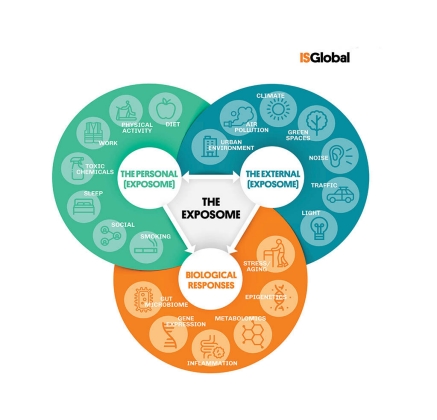
Figure 1 The Exposome: Understanding the Effect of the Environment on Our Health
Invisible and cumulative influences
Many of the most important exposures are not immediately obvious. Factors such as air pollution, noise, artificial light at night and emerging exposures like microplastics tend to operate quietly in the background. They rarely cause instant harm, but can accumulate over time and contribute to long‑term morbidity and mortality risk.
These exposures have historically been under‑recognised because they are difficult to measure, highly variable over small geographic areas, and often intertwined. Their health effects may not emerge until years or decades after exposure, making them easy to overlook in traditional medical and risk models.
The exposome provides a way to account for this complexity by encouraging a life‑course perspective. Exposures early in life may have delayed consequences, while repeated low‑level exposures can compound vulnerability later on - particularly for chronic conditions such as cardiovascular disease, respiratory illness and some neurological disorders.
Why the exposome matters now
Several modern trends make the exposome increasingly relevant. Rapid urbanisation has intensified exposure to traffic pollution, noise and artificial light. At the same time, the chemical environment has expanded dramatically, with thousands of synthetic compounds embedded in everyday products. Longer life expectancy also means longer exposure windows over which these influences can act.
Scientific measurement has lagged behind reality, partly because capturing lifelong exposure profiles is technically challenging. However, advances in environmental monitoring, biomarkers and data science are beginning to bring the exposome into sharper focus.
Implications for insurance and population health
For insurers, the exposome offers a useful lens for understanding background risk - the slow burn influences that shape mortality and morbidity patterns at a population level. Many exposures are unevenly distributed, contributing to geographic and socioeconomic differences in health outcomes.
The data is not yet robust enough to support highly precise or individualised underwriting. However, the exposome can inform:
- Risk understanding, by highlighting hyper‑local drivers of morbidity
- Prevention and engagement, supporting healthier choices where exposures are modifiable
- Product and pricing insight, where regulation and data allow greater precision.
As the industry increasingly focuses on prevention, resilience and long‑term outcomes, these are an important source of possible future insights.
What comes next
This article has introduced the exposome as a way of rethinking health through the lens of cumulative, often invisible influences. In the next article, we will explore microplastics - a modern exposure that encapsulates both the scientific uncertainty and potential long‑term relevance of the exposome. A subsequent article will widen the lens further, examining air pollution, noise, light and inequality, and how these exposures interact across populations.
Recognising these often invisible influences isn’t about causing alarm. Instead, it can support a perspective that is grounded in better evidence, greater awareness, and more informed choices, both individually and collectively.

Anika Bains
Manager, Market Enablement, Protection, Europe

Mike Wilson
Director, Medical Analytics








.png)















.png)
.png)



.png)