Dr Mei Sum Chan | June 2026
Are we living longer but in worse health than the previous generation?
This is a perennial question that is discussed by the health and retirement professionals.
Recent news about the fall in healthy life expectancy (HLE) over the past decade in UK of around 2 years (to 61 years),[1] despite the slight increase in overall life expectancy at birth, has been met with unanswered questions. This finding was based on Office for National Statistics’ (ONS) annual survey of self-reported general health, and therefore is subject to changing perceptions due to the effects of COVID-19, greater mental health awareness and other societal changes. This measure of health expectancy does not explicitly relate to our ability to carry out normal day‑to‑day activities, such as working and caring for others.
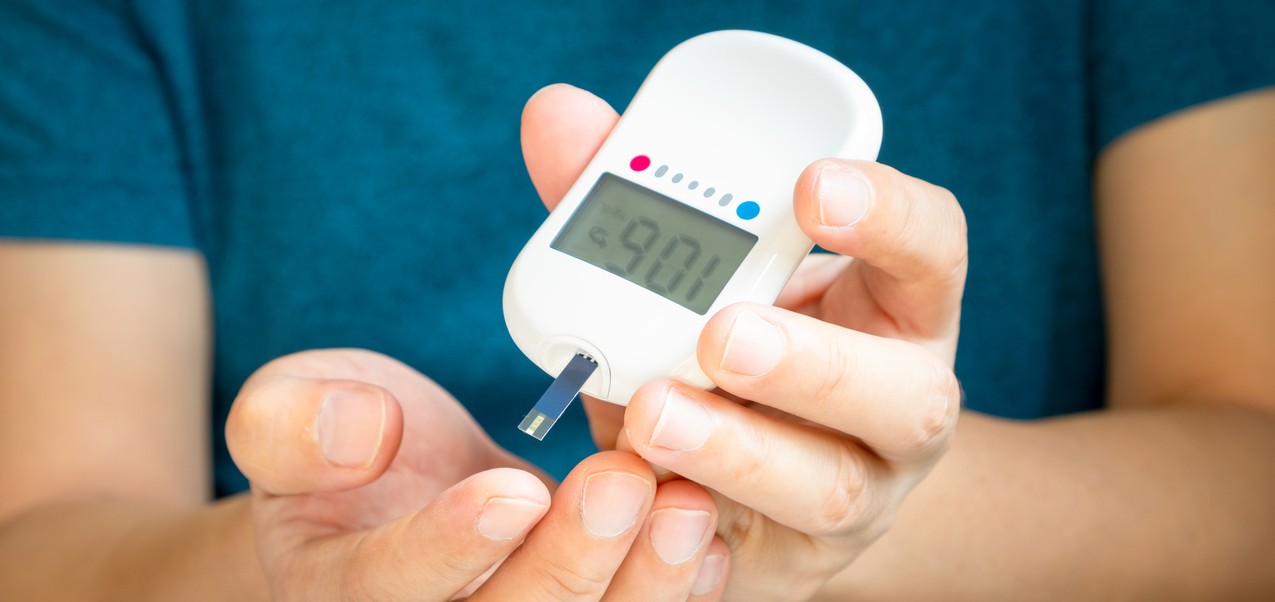
In contrast, disability‑free life expectancy (DFLE) measures the length of time free from a long-standing illness, disability or impairment which causes substantial difficulty with day‑to‑day activities. DFLE at birth has decreased at an even more alarming rate over the same decade, by around 2.5 years for men and 4 years for women, to 62 years and 61 years respectively. Similar to HLE and overall life expectancy, DFLE has also been considered in previous reviews of welfare benefits and the State Pension Age.
This analysis of DFLE was conducted by Dr Mei Sum Chan, a research director at Pacific Life Re, who used the same method of calculating HLE and DFLE as ONS, and data from a survey[2] commissioned by Department for Work and Pensions where the definition of disability remained unchanged over the same decade. DFLE figures reported by ONS have been temporarily discontinued in 2022 as the question wording on disability in later surveys had changed and were inconsistent with earlier years.
Stuart McDonald, Chartered actuary and partner at LCP who was not involved in this analysis, commented,
“Healthy life expectancy remains a useful headline indicator, but it’s highly subjective because it’s based on people’s perception of their overall health. Disability‑free life expectancy, while also self‑reported, gives a clearer indication of whether people are able to carry out normal day‑to‑day activities. The deterioration on this basis over the past decade is therefore particularly concerning and reinforces evidence of worsening health among the working‑age population.”
Researchers have called for a more objective measure of health expectancy that depends on disease diagnoses. However as people accumulate myriad chronic diseases over their lifetimes, finding and analysing the relevant data is complex.
To date, HLE in terms of time spent without multiple chronic diseases has only been measured for 65‑year olds in England averaged over 2001‑2010; only 34–43% of their remaining lifetime was estimated to be free from multiple chronic diseases.[3] The ONS is currently looking into producing a similar metric that will be monitored in addition to the traditional HLE based on self‑reported health.
The widening gaps between overall life expectancy, HLE and DFLE reinforces that not all years gained are spent in good health, with future implications for the economy, society and health systems. Further research in this area, particularly in relation to objective health and employment outcomes, is much needed.
References
[1] Healthy life expectancy trends in the UK: a watershed moment - The Health Foundation
[2] Family Resources Survey - Office for National Statistics
[3] Socio‑economic inequalities in life expectancy of older adults with and without multimorbidity: a record linkage study of 1.1 million people in England | International Journal of Epidemiology | Oxford Academic

Dr Mei Sum Chan
Research Director








.png)














.png)
.png)



.png)